
As the popularity of best online pokies continues to surge across Australia, player risk appetite is transforming alongside advances in game technology and virtual casino experiences. The line between calculated risk and pure entertainment blurs as digital pokies offer immersive features, dynamic volatility, and sophisticated reward systems. Understanding what draws players to these games—and how design, probability, and personal psychology interact—sheds light on why online pokies have become a mainstay for both seasoned risk-takers and casual gamers alike.
The interplay of virtual design and perceived winning chances in top online pokies

Modern online pokies rely on meticulously crafted virtual design to keep players engaged and to subtly shape their perception of winning chances. Developers use vibrant graphics, smooth animations, and interactive bonus rounds to create an environment that feels rewarding even during losing streaks. For example, a player spinning the reels in a fantasy-themed pokie may see near-misses, where two jackpot symbols land with a third just missing, giving the impression a big win is always just one spin away. This design choice fuels the belief that the odds are more favorable than they truly are, reinforcing continued play and risk-taking behavior.
Exploring risk-taking psychology in the context of popular pokies games
Risk-taking in online pokies is influenced by psychological factors unique to the virtual gaming landscape. Many Australian players experience a heightened sense of control due to fast-paced gameplay and instant feedback from digital interfaces. This can lead to riskier bets, as the physical separation from real money reduces perceived loss. Furthermore, the ability to switch between multiple games in seconds encourages experimentation, often prompting players to try higher volatility machines for the potential of larger rewards. This interplay between accessibility and perceived opportunity motivates a range of risk-taking behaviors not typically seen in traditional brick-and-mortar casinos.
Decision-making patterns driven by reward anticipation and loss aversion

Reward anticipation and loss aversion are critical drivers of player choices in online pokies. The anticipation of hitting a bonus round or unlocking free spins generates excitement, often leading players to increase their stakes after small wins. Conversely, loss aversion—the tendency to avoid losses more strongly than seeking equivalent gains—manifests in decisions such as chasing losses or switching games after a losing streak. These patterns can be observed in real time as players adjust their bet size, select new pokies, or double down after a near-miss, all in pursuit of the psychological thrill that comes with perceived mastery over chance.
Influence of visual and audio cues in shaping player engagement with the best online pokies
The immersive experience of top online pokies is largely driven by sophisticated visual and audio cues. Bright, celebratory graphics and upbeat soundtracks are deployed to enhance the excitement of wins, no matter how small. For instance, even a minor payout might be accompanied by flashing lights and a catchy jingle, providing positive reinforcement that encourages further play. Conversely, losses tend to be understated—short sounds or subtle animations—to downplay disappointment. This careful balance of sensory input keeps players in a heightened state of engagement, sometimes even overriding their awareness of actual outcomes versus perceived success.
Game volatility, payout rates, and the hidden logic behind pokie selection
When choosing which online pokie to play, experienced players often weigh volatility and payout rates, even if subconsciously. High-volatility pokies promise larger, less frequent wins, while low-volatility games offer frequent but smaller payouts. The return-to-player (RTP) percentage—typically displayed in the game’s information panel—serves as a proxy for long-term expected returns. However, the psychological appeal of a massive jackpot can overshadow pragmatic decision-making, leading many to favor games with lower RTPs but higher perceived excitement. The following table summarizes these dynamics:
| Pokie Type | Volatility | Typical RTP (%) | Player Motivation |
|---|---|---|---|
| Progressive Jackpot | High | 88–92 | Chasing large wins |
| Classic 3-Reel | Low-Medium | 94–97 | Frequent small wins |
| Feature-Rich Video Pokies | Medium-High | 95–98 | Interactive bonuses |
Environmental and situational factors affecting online pokie sessions
The context in which players engage with online pokies heavily influences their risk-taking and decision patterns. Playing from home, for example, can enhance comfort and privacy, making it easier to lose track of time or spending. Mobile pokies accessed during commutes or breaks introduce brief, high-intensity sessions, while group play—such as friends sharing screens—can induce competitive behaviors or riskier bets. Promotions and timed tournaments often create a sense of urgency, prompting players to act quickly and take risks they might otherwise avoid. These situational variables collectively shape the tempo and tenor of each online pokie session.
Adaptive strategies and player behaviors observed in real-money pokies environments
Regular players of real-money online pokies often develop adaptive strategies to manage risk and maximize enjoyment. Some set strict bankroll limits, using in-game features to lock spending or remind themselves to take breaks. Others adopt pattern-based betting, increasing stakes only after a series of losses or wins, hoping to capitalize on perceived streaks. There are also players who focus on mastering the rules and features of specific pokies, leveraging free demo versions before wagering real money. These adaptive behaviors reflect a blend of entertainment-seeking and practical self-management, as players adjust to the fast-changing dynamics of virtual gaming environments.
The role of probability thinking in evaluating online pokie outcomes
Probability awareness plays a nuanced role in how players interpret wins and losses. While most understand on some level that each spin is independent and governed by random number generators, cognitive biases can lead to misconceptions. For example, the “gambler’s fallacy” might prompt a player to believe that a win is „due” after a long losing streak, despite the odds remaining constant. Conversely, players with a strong grasp of probability often approach pokies as pure entertainment, accepting the unpredictability of outcomes and focusing on enjoyment rather than chasing elusive patterns. This spectrum of probability thinking directly influences satisfaction and risk tolerance.
Industry trends shaping the future of best online pokies and player experience
The trajectory of online pokies in Australia is marked by rapid innovation and shifting player expectations. Game developers are integrating augmented reality, skill-based elements, and social features to appeal to a broader demographic. Regulatory changes are driving greater transparency around payout rates and responsible gaming tools. Meanwhile, the rise of themed pokies—ranging from sports to pop culture—caters to diverse interests and keeps the market fresh. These trends not only enhance entertainment value but also reshape how players assess risk and reward, signaling an era where digital engagement and player psychology are more closely intertwined than ever.
Reflecting on digital risk, entertainment, and the evolving mindset of pokie enthusiasts
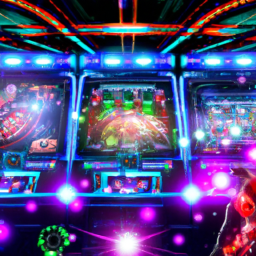
Australia’s affinity for online pokies continues to evolve as digital risk-taking becomes both a source of excitement and a challenge for self-control. Players now navigate a sophisticated landscape where entertainment, psychological cues, and probability awareness intersect. Through adaptive strategies, conscious decision-making, and a growing understanding of the mechanics behind pokies, enthusiasts are redefining what it means to take risks for fun in the virtual age. The journey is as much about chasing the thrill as it is about mastering the balance between chance, entertainment, and personal limits.

Absolwentka Wydziału Stomatologii Akademii Medycznej w Lublinie. Zajmuje się stomatologią zachowawczą z endodoncją, stomatologią estetyczną, protetyką oraz periodontologią. W tych dziedzinach na bieżąco podnosi swoje kwalifikacje, uczestnicząc w licznych kursach, szkoleniach oraz konferencjach naukowych. Doktor posiada duże doświadczenie w pracy z mikroskopem, co wielokrotnie pozwala jej zaproponować skuteczne leczenie nawet w trudnych przypadkach. Zawsze potrafi dopasować najlepsze rozwiązania do indywidualnych potrzeb pacjenta, mając na uwadze jego dobro oraz komfort. Pacjenci cenią ją nie tylko za profesjonalizm, ale również za życzliwą i zawsze pomocną postawę.